Angioplasty can be life-saving, but the journey doesn’t end with the procedure. What you do after angioplasty plays a huge role in how well your heart recovers and how you prevent future cardiac events. This guide walks you through everything you need to know — from medications and diet to warning signs and lifestyle changes.
Stick to Your Medications – They're Non-Negotiable
After angioplasty, especially if a stent has been placed, your doctor will prescribe certain medications:
Antiplatelets (Blood thinners): such as aspirin and clopidogrel (or ticagrelor) to prevent clot formation inside the stent.
Statins: to lower cholesterol and stabilize the plaque in your arteries.
Beta-blockers, ACE inhibitors, or ARBs: to manage blood pressure and reduce strain on your heart.
Diabetes medications: if you’re diabetic, your sugar control will be tightly monitored.
Why it matters: Stopping these medicines without consulting your doctor can increase your risk of a heart attack or stent blockage. Always take your medications on time, and don’t skip doses.
Lifestyle Changes – A Fresh Start for Your Heart
Angioplasty isn’t a cure for coronary artery disease — it’s a part of the management plan. You need to adopt new, heart-healthy habits to prevent further damage.
Quit Smoking
Even one cigarette can cause your arteries to spasm or clot. If you need help quitting, seek professional support — don’t try to do it alone.
Eat for Your Heart
Focus on a Mediterranean-style diet rich in:
Fresh fruits and vegetables
Whole grains
Nuts and seeds
Healthy fats (like olive oil)
Lean proteins like fish and legumes
Avoid processed foods, deep-fried items, added sugars, red meat, and excess salt.
Limit Alcohol
If you drink, do so in moderation — and only after your doctor gives you the green signal.
Regular Monitoring – Stay One Step Ahead
You’ll need regular follow-up tests and consultations to ensure your heart remains healthy. Your cardiologist may monitor:
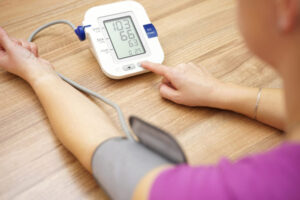
Blood pressure
Cholesterol levels (Lipid profile)
Blood sugar (Fasting, HbA1c if diabetic)
Kidney function and electrolytes
ECG or stress tests, if needed
Tip: Keep a health journal or use a digital app to track these parameters and bring them to every appointment.
Get Moving – But Gradually
Physical activity is essential, but it must be resumed cautiously.
Start with:
Light walks indoors or in a park, beginning just a few days post-procedure (unless advised otherwise).
Gradually increase duration and pace over a few weeks.
Avoid:
Heavy lifting
Intense gym workouts
Climbing stairs quickly or jogging during the initial 4-6 weeks
Ask your doctor if you’re eligible for a cardiac rehabilitation program, which is a supervised exercise and education plan tailored for heart patients.
Wound Site Care – Protect the Entry Point
Whether your angioplasty was done through the groin (femoral artery) or the wrist (radial artery), the insertion site needs care.
Keep the area clean and dry.
Avoid rubbing or scratching.
Don’t lift heavy objects or put pressure on the site for a few days.
Watch out for:
Redness or swelling
Warmth or pus-like discharge
Bleeding or severe pain
Report these signs to your doctor immediately.
Recognize Warning Signs – Don't Ignore These Symptoms
Your heart may signal trouble even after the procedure. Seek immediate medical attention if you experience:
Chest pain or discomfort
Sudden breathlessness
Irregular or racing heartbeat
Feeling faint, dizzy, or light-headed
Swelling in your legs or sudden weight gain (could signal heart failure)
Early intervention can save your life.
Manage Stress – It Impacts the Heart More Than You Think
Chronic stress increases your risk of another cardiac event. Take steps to manage it:
Practice deep breathing, meditation, or guided relaxation
Try mild yoga (under guidance)
Maintain a healthy work-life balance
Talk to a therapist or join a support group for heart patients
Your emotional health directly impacts your recovery.
Don't Miss Your Follow-Ups – They’re Not Just Routine
Your follow-up visits help your doctor assess your progress, modify treatment, and catch complications early.
Your first visit is usually within a week or two of discharge.
Thereafter, your cardiologist will decide how frequently you need to come in.
If you’re feeling well, don’t assume you don’t need follow-up. Many cardiac issues can be silent.
Understand Your Risk Factors – Prevention is Lifelong
You’re more likely to need another angioplasty or face a heart issue if you:
Have uncontrolled diabetes, high blood pressure, or high cholesterol
Are overweight or obese
Lead a sedentary lifestyle
Have a strong family history of heart disease
Continue unhealthy habits like smoking or binge eating
Talk to your doctor about your risk profile and create a personalized prevention plan.