In the intricate puzzle of human health, cholesterol plays a significant role. Often associated with heart health, it’s a term we’ve all heard, but do we really understand its impact on our vascular system? Today, we delve into the often-overlooked connection between high cholesterol and blood clots.
Understanding the key components
First things first, let’s break down the key players in this physiological drama Cholesterol, commonly misconceived as an adversary, is a fatty substance crucial for building cell membranes and producing hormones. However, when levels go haywire, it can spell trouble.
On the other side of the stage, we have blood clots – the body’s natural response to injuries, preventing excessive bleeding.
When Too Much Cholesterol is Too Risky
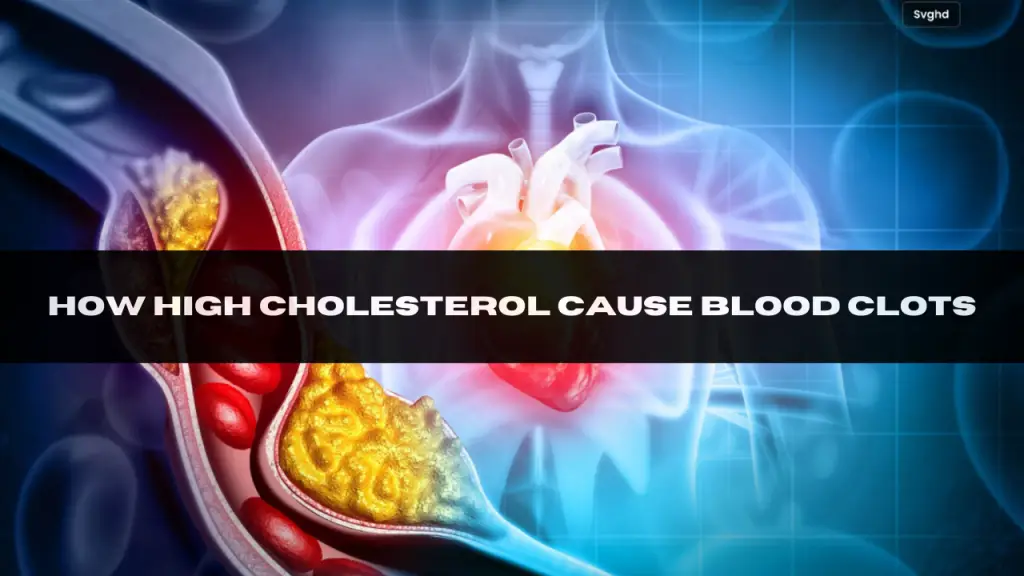
Cholesterol, in the form of low-density lipoprotein (LDL), often labeled the “bad” cholesterol, can accumulate on the walls of our blood vessels. Imagine it as tiny, sticky patches that gradually build up over time. This process, known as atherosclerosis, narrows the arteries, making them less flexible and more prone to damage.
As these cholesterol deposits grow, they create a breeding ground for inflammation. The body responds by sending signals to repair the perceived damage, recruiting platelets to the site
Here’s where things get dicey – the combination of cholesterol deposits and platelets can form a plaque. It’s like a tiny, ticking time bomb sitting on the artery walls.
High Cholesterol and Clot Formation
Now, picture this: your arteries are dealing with the aftermath of unchecked cholesterol buildup, and the once-smooth inner walls of your blood vessels resemble a construction site. This disturbed environment triggers a response from your body, leading to the formation of a blood clot.
High cholesterol amplifies this risk. Why? Because as the plaque continues to grow, it can rupture. When this happens, it exposes the inner, usually hidden, layers of the artery. Now, platelets rush to the scene, initiating the formation of a blood clot.
It’s like a natural response gone into overdrive, and suddenly, you’re facing a potential blockage in your blood vessels.
Blood Clots and Cardiovascular Events
Here’s where the danger escalates. If a blood clot becomes large enough, it can obstruct blood flow, leading to serious consequences. If it occurs in a coronary artery, it can trigger a heart attack.
Similarly, a blood clot in the brain can result in a stroke. The chain reaction set off by high cholesterol and the subsequent clot formation can have life-altering implications.
Managing High Cholesterol to Prevent Clots
Now that we know managing high cholesterol is crucial, let’s talk about how we can make it happen in our day-to-day lives
1. A Balanced Diet
Start with what’s on your plate. A heart-healthy diet doesn’t mean giving up all your favorites; it’s about balance and making wise choices. Aim for a colorful array of fruits and veggies, whole grains, and lean proteins.
2. Physical Activity
Find an activity you enjoy, whether it’s a brisk walk, dancing in your living room, or even gardening. Aim for at least 150 minutes of moderate-intensity exercise per week – that’s like two and a half hours, spread out over the week
3. Medications
Medications are like the sidekick in your heart-healthy journey, helping to keep cholesterol levels in check. Just be sure to take them as prescribed and keep your healthcare provider in the loop about any side effects or concerns.
4. Regular Health Check-Ups
Regular health check-ups are like preventive maintenance for your body. They allow your healthcare provider to monitor your cholesterol levels, discuss any concerns, and tweak your plan if needed.
5. Lipid Profile
Total cholesterol, LDL (low-density lipoprotein), HDL (high-density lipoprotein), and triglycerides – these are the VIPs in your lipid profile. Work with your healthcare provider to grasp what these numbers mean for your heart health.
6. Personalized Plans
Your heart is unique, and so should be your plan to keep it healthy. Work closely with your healthcare provider to create a plan tailored to your lifestyle, preferences, and health goals.
Conclusion.
By comprehending the relationship between cholesterol and blood clots, we empower ourselves to make informed choices about our health.
Remember, it’s not just about numbers on a cholesterol report; it’s about safeguarding the rhythm of your heart and the flow of life through your veins.
The journey towards a healthier cardiovascular system begins with understanding the intricate interplay between cholesterol and blood clot formation – a journey well worth taking.